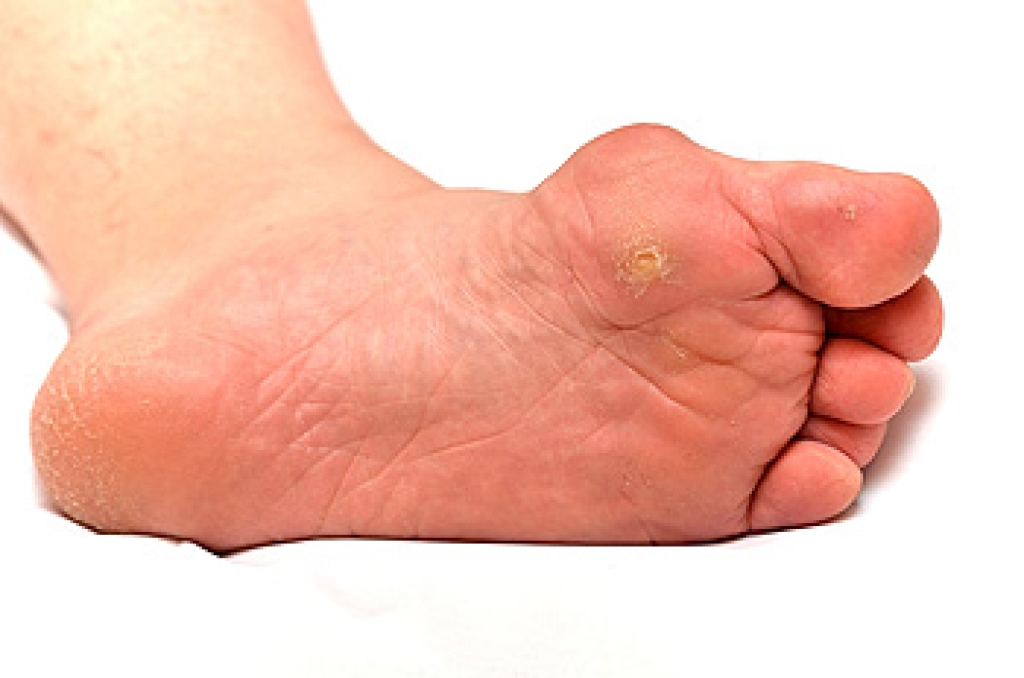
Dealing With Painful Foot Corns

Corns on the feet can make every step uncomfortable, especially when shoes press against a tender spot. A corn is a small area of thickened skin that develops in response to repeated pressure or rubbing. It usually forms over a bony part of a toe. Hard corns appear on the tops or sides of toes, while softer corns can develop between them. Unlike a callus, which spreads across a wider area, a corn usually has a firm center. Some corns cause little discomfort. Others create sharp pain when pressure pushes that center into sensitive skin. Larger corns can make walking difficult and affect your daily routine.

Shoes with narrow toe areas can squeeze the toes and increase friction. Toe changes, like hammertoes, can also create pressure where the skin rubs against shoes. Calluses are more likely to develop on the soles of the feet, especially beneath areas that carry extra weight. Both corns and calluses are the skin's response to repeated irritation. Sometimes thickened skin becomes discolored or breaks down, increasing the risk of infection. People with diabetes or poor circulation need particular attention because foot problems can become serious. A painful spot is not always a corn; a plantar wart can look similar. Identifying the cause helps guide appropriate care.

A podiatrist can examine the affected skin and check for pressure points caused by your foot shape or walking pattern. Treatment can include carefully removing excess thickened skin to ease discomfort. A podiatrist can also recommend protective padding and properly fitted shoes to reduce rubbing. Custom shoe inserts may help spread pressure more evenly across the foot. Because corns can return when pressure continues, follow-up visits can help manage recurring trouble spots. A podiatrist can also distinguish corns from other skin problems and watch for signs of infection. If you have developed corns on the feet, it is suggested that you schedule an appointment with a podiatrist for effective relief and prevention tips. 

If you have any concerns regarding your feet and ankles, contact one of our podiatrists of Summerlin Foot & Ankle. Our doctors will treat your foot and ankle needs.

Corns: What Are They? and How Do You Get Rid of Them?
Corns can be described as areas of the skin that have thickened to the point of becoming painful or irritating. They are often layers and layers of the skin that have become dry and rough, and are normally smaller than calluses.

Ways to Prevent Corns
There are many ways to get rid of painful corns such as wearing:

  • Well-fitting socks
  • Comfortable shoes that are not tight around your foot
  • Shoes that offer support

Treating Corns
Treatment of corns involves removing the dead skin that has built up in the specific area of the foot. Consult with Our doctors to determine the best treatment option for your case of corns.

If you have any questions, please feel free to contact our office located in Las Vegas, NV . We offer the newest diagnostic and treatment technologies for all your foot care needs.
Read more about Corns and Calluses

Healthy Habits for Healthier Feet

Healthy foot habits start with giving your feet attention before pain interrupts your day. Your feet support your weight and help maintain balance. Changes in skin color, persistent swelling, or reduced feeling warrant attention. A podiatrist examines these changes and looks for problems affecting circulation or nerves. Patients with diabetes benefit from regular foot examinations because reduced feeling might hide an injury. Making preventive appointments part of your healthcare routine helps identify pressure points and other concerns before they interfere with comfortable movement.

Choosing shoes that fit properly is another important habit. Feet change with age, and a familiar shoe size does not always guarantee a good fit. A podiatrist evaluates foot shape and recommends shoes with appropriate width and depth. Adequate toe room reduces crowding, while a secure heel helps limit slipping. Shoes should feel comfortable from the start rather than require a painful break-in period. For patients who stand for long hours or who are involved in sporting activities, footwear recommendations should reflect those demands. A podiatrist also checks uneven shoe wear for clues about how the feet move. Custom orthotics, which are prescribed shoe inserts, help redistribute pressure when appropriate.

Healthy habits also involve seeking podiatric advice when activity begins to hurt. Repeatedly pushing through foot pain might worsen an underlying injury or change the way you walk. A podiatrist assesses joint movement and identifies the source of discomfort. Treatment addresses the specific problem and includes pressure relief or protective support when appropriate. Podiatric care also addresses painful corns, thickened nails, or skin problems that affect shoe comfort. Patients with diabetes or poor circulation require particular attention to wounds because healing may be slower. Early assessment supports safer movement and helps protect everyday independence. If you have foot pain, it is suggested that you schedule an appointment with a podiatrist for effective relief tips, and additional guidance on improving the health of your feet.

Everyday foot care is very important to prevent infection and other foot ailments. If you need your feet checked, contact one of our podiatrists from Summerlin Foot & Ankle. Our doctors can provide the care you need to keep you pain-free and on your feet.

Everyday Foot Care

Often, people take care of their bodies, face and hair more so than they do for their feet. But the feet are a very important aspect of our bodies, and one that we should pay more attention to. Without our feet, we would not be able to perform most daily tasks.

It is best to check your feet regularly to make sure there are no new bruises or cuts that you may not have noticed before. For dry feet, moisturizer can easily be a remedy and can be applied as often as necessary to the affected areas. Wearing shoes that fit well can also help you maintain good foot health, as well as making it easier to walk and do daily activities without the stress or pain of ill-fitting shoes, high heels, or even flip flops. Wearing clean socks with closed shoes is important to ensure that sweat and bacteria do not accumulate within the shoe. Clean socks help to prevent Athlete’s foot, fungi problems, bad odors, and can absorb sweat.

If you have any questions, please feel free to contact our office located in Las Vegas, NV . We offer the newest diagnostic and treatment technologies for all your foot care needs.

Read more about Everyday Foot Care
scroll to top