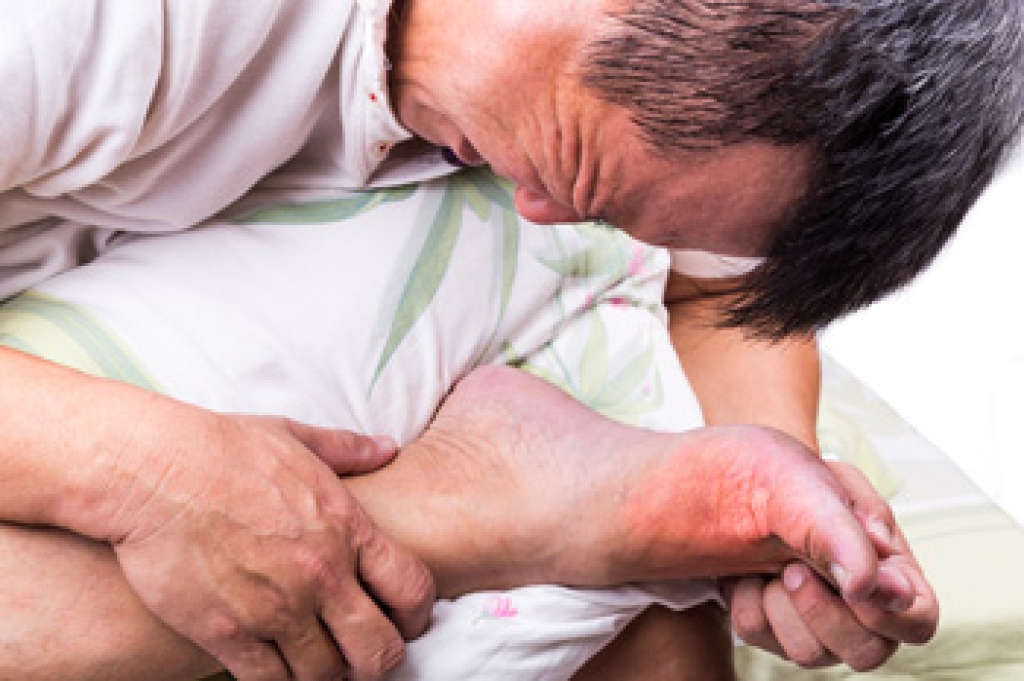
Gout and Elevated Uric Acid Levels

Severe pain and discomfort in the big toe and surrounding area may be indicative of a condition that is known as gout. It is a type of arthritis that can develop as a result of elevated uric acid levels in the bloodstream, which can cause crystals to form. These can lodge in the joints of the big toe. Additional symptoms that many patients can experience may consist of swelling, redness, and difficulty moving the toe. There are certain foods that have high levels of purines, which can contribute to abnormal uric acid levels. These can include shellfish, red meat, and drinks that have excess sugar. Many times gout attacks will improve over several days. There may be measures that can be implemented that can help to reduce future gout episodes. These can include eating foods that are healthy, and drinking plenty of water daily. If you are suffering from gout, it is strongly suggested that you seek the counsel of a podiatrist who can offer you correct treatment options.

Gout is a foot condition that requires certain treatment and care. If you are seeking treatment, contact one of our podiatrists from Summerlin Foot & Ankle. Our doctors will treat your foot and ankle needs.

What Is Gout?

Gout is a type of arthritis caused by a buildup of uric acid in the bloodstream. It often develops in the foot, especially the big toe area, although it can manifest in other parts of the body as well. Gout can make walking and standing very painful and is especially common in diabetics and the obese.

People typically get gout because of a poor diet. Genetic predisposition is also a factor. The children of parents who have had gout frequently have a chance of developing it themselves.

Gout can easily be identified by redness and inflammation of the big toe and the surrounding areas of the foot. Other symptoms include extreme fatigue, joint pain, and running high fevers. Sometimes corticosteroid drugs can be prescribed to treat gout, but the best way to combat this disease is to get more exercise and eat a better diet.

If you have any questions, please feel free to contact our office located in Las Vegas, NV . We offer the newest diagnostic and treatment technologies for all your foot care needs.

Read more about Everything You Need to Know About Gout

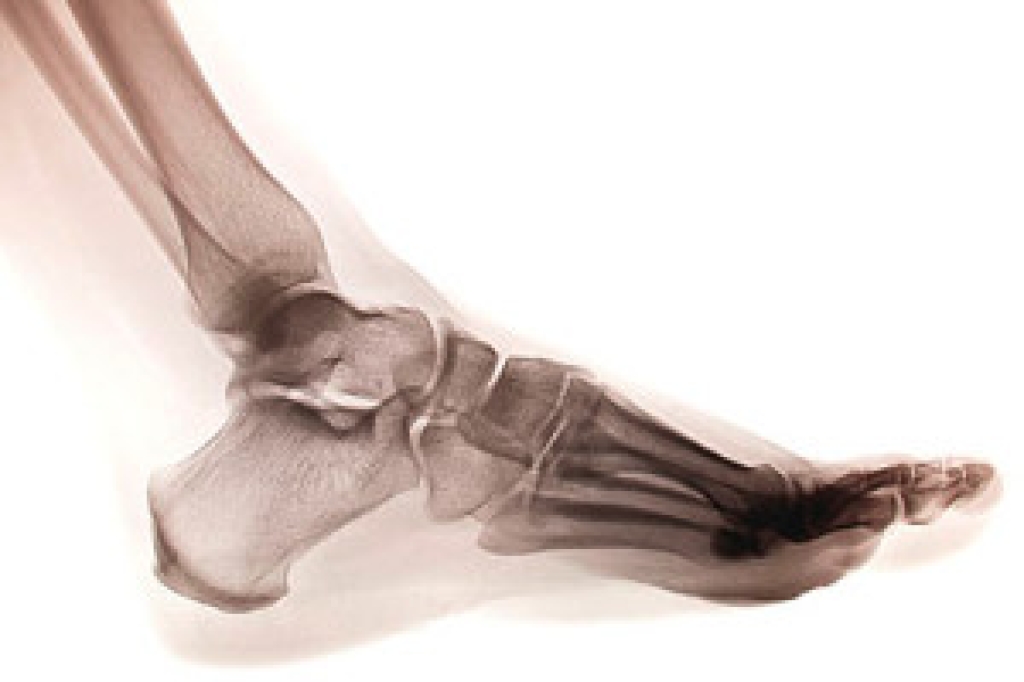
Teenagers and Sever's Disease

The medical condition that is referred to as Calcaneal Apophysitis is commonly known as Sever's disease. This disease occurs when the growth plate in the heel becomes swollen, and typically affects teenagers who participate in sporting activities. As growing occurs, muscles and tendons can put strain and pressure on the heel, possibly causing swelling and tenderness. An initial step in beginning treatment of this condition is to look out for high arches or flat feet that may be present. This may affect the way walking is done, and can be important to know so proper treatment techniques can begin. Mild relief may be found when gentle exercises are frequently performed that can promote mobility. Additionally, it may be beneficial to wear orthotics, as this may aid in the treatment of Sever's disease. If your child is suffering from this condition, it is strongly advised that you consult with a podiatrist who can properly diagnosis and treat this condition.

Sever's disease often occurs in children and teens. If your child is experiencing foot or ankle pain, see one of our podiatrists from Summerlin Foot & Ankle. Our doctors can treat your child’s foot and ankle needs.

Sever’s Disease

Sever’s disease is also known as calcaneal apophysitis, which is a medical condition that causes heel pain I none or both feet. The disease is known to affect children between the ages of 8 and 14.

Sever’s disease occurs when part of the child’s heel known as the growth plate (calcaneal epiphysis) is attached to the Achilles tendon. This area can suffer injury when the muscles and tendons of the growing foot do not keep pace with bone growth. Therefore, the constant pain which one experiences at the back of the heel will make the child unable to put any weight on the heel. The child is then forced to walk on their toes.

Symptoms

Acute pain – Pain associated with Sever’s disease is usually felt in the heel when the child engages in physical activity such as walking, jumping and or running.

Highly active – Children who are very active are among the most susceptible in experiencing Sever’s disease, because of the stress and tension placed on their feet.

If you have any questions, please feel free to contact our office located in Las Vegas, NV . We offer the newest diagnostic and treatment technologies for all your foot care needs.
Read more about Sever's Disease

The Importance of Warming Up and Cooling Down

The majority of people who enjoy the sport of running and jogging are aware of the importance of properly warming up before beginning their practice. It is important to keep the muscles limber and flexible, and this may be beneficial in preventing running injuries. It is equally as important to perform cool down stretches, and this may be helpful in preventing muscle soreness the following day. Research has indicated it is wise to follow a training plan. This can consist of gradually increasing the mileage and speed of your workout as to avoid strained muscles. Many runners incorporate strength training into their running routine, in addition to cross training activities. If you would like additional information about how running injuries can affect the feet, please consult with a podiatrist.

All runners should take extra precaution when trying to avoid injury. If you have any concerns about your feet, contact one of our podiatrists of Summerlin Foot & Ankle. Our doctors will treat your foot and ankle needs.

How to Prevent Running Injuries

There are a lot of mistakes a runner can make prior to a workout that can induce injury. A lot of athletes tend to overstretch before running, instead of saving those workouts for a post-run routine. Deep lunges and hand-to-toe hamstring pulls should be performed after a workout instead of during a warmup. Another common mistake is jumping into an intense routine before your body is physically prepared for it. You should try to ease your way into long-distance running instead of forcing yourself to rush into it.

More Tips for Preventing Injury

  • Incorporate Strength Training into Workouts - This will help improve the body’s overall athleticism
  • Improve and Maintain Your Flexibility – Stretching everyday will help improve overall performance
  • “Warm Up” Before Running and “Cool Down” Afterward – A warm up of 5-10 minutes helps get rid of lactic acid in the muscles and prevents delayed muscle soreness
  • Cross-Training is Crucial
  • Wear Proper Running Shoes
  • Have a Formal Gait Analysis – Poor biomechanics can easily cause injury

If you have any questions, please feel free to contact our office located in Las Vegas, NV . We offer the newest diagnostic and treatment technologies for all your foot care needs.

Read more about How to Prevent Running Injuries

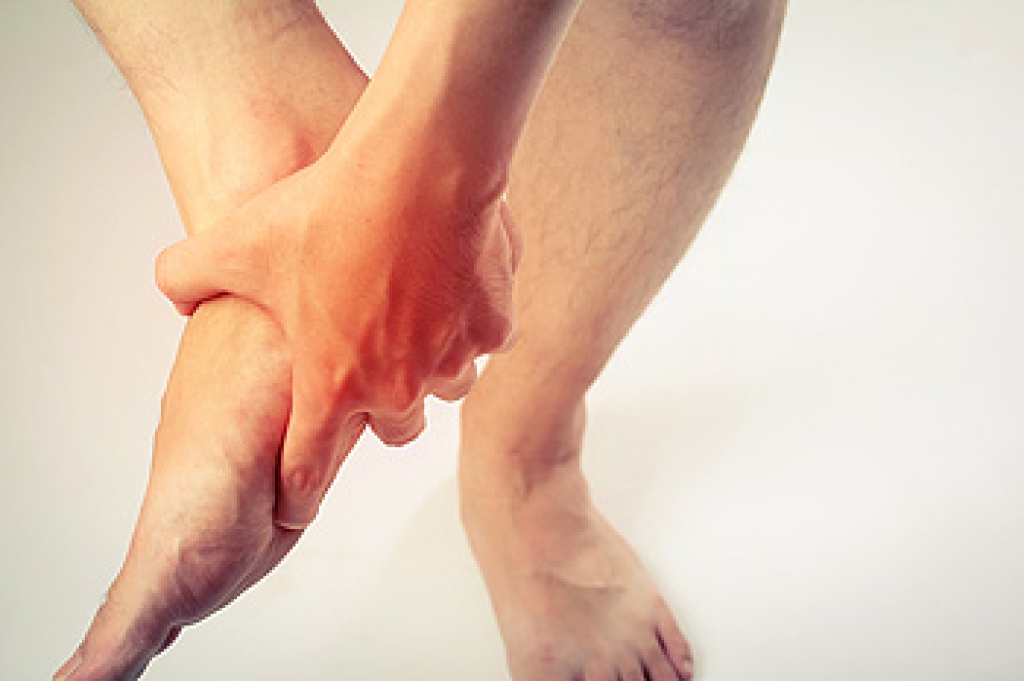
What is Tarsal Tunnel Syndrome?

Tarsal tunnel syndrome occurs in the foot and ankle. It is similar to carpal tunnel syndrome, which occurs in the wrist. Both disorders arise from the compression of a nerve in a confined space. Tarsal tunnel syndrome is a constriction, or squeezing, on the posterior tibial nerve that produces symptoms anywhere on the path of the nerve running from the inside of the ankle into the foot. The posterior tibial nerve is the focus of tarsal tunnel syndrome. This nerve runs down the back of the calf and into the sole of the foot. When tissues around the tarsal tunnel become inflamed, they can swell and press on the nerve, causing severe pain. If you have pain in your foot or ankle and want to identify the source, it is suggested to consult with your local podiatrist. Your podiatrist may prescribe corticosteroid injections, orthoses, and in some cases, surgery to treat this ailment.

Tarsal tunnel syndrome can be very uncomfortable to live with. If you are experiencing tarsal tunnel syndrome, contact one of our podiatrists of Summerlin Foot & Ankle. Our doctors can provide the care you need to keep you pain-free and on your feet.

Tarsal Tunnel Syndrome

Tarsal tunnel syndrome, which can also be called tibial nerve dysfunction, is an uncommon condition of misfiring peripheral nerves in the foot. The tibial nerve is the peripheral nerve in the leg responsible for sensation and movement of the foot and calf muscles. In tarsal tunnel syndrome, the tibial nerve is damaged, causing problems with movement and feeling in the foot of the affected leg.

Common Cause of Tarsal Tunnel Syndrome

  • Involves pressure or an injury, direct pressure on the tibial nerve for an extended period of time, sometimes caused by other body structures close by or near the knee.
  • Diseases that damage nerves, including diabetes, may cause tarsal tunnel syndrome.
  • At times, tarsal tunnel syndrome can appear without an obvious cause in some cases.

The Effects of Tarsal Tunnel Syndrome

  • Different sensations, an afflicted person may experience pain, tingling, burning or other unusual sensations in the foot of the affected leg.
  • The foot muscles, toes and ankle become weaker, and curling your toes or flexing your foot can become difficult.
  • If condition worsens, infections and ulcers may develop on the foot that is experiencing the syndrome.

A physical exam of the leg can help identify the presence of tarsal tunnel syndrome. Medical tests, such as a nerve biopsy, are also used to diagnose the condition. Patients may receive physical therapy and prescriptive medication. In extreme cases, some may require surgery.

If you have any questions please contact our office located in Las Vegas, NV . We offer the newest diagnostic and treatment technologies for all your foot and ankle needs.

Read more about Treating Tarsal Tunnel Syndrome

It's Time for Beautiful Feet

You don't need an excuse to have beautiful nails. Step outside without worrying about the appearance of your feet.

scroll to top