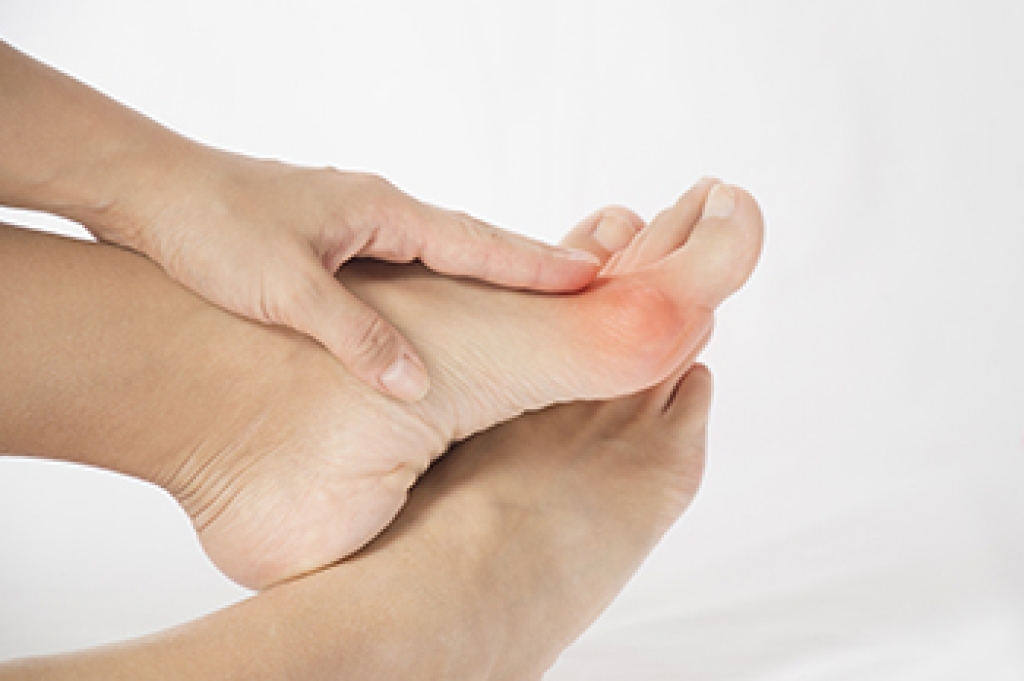
Understanding Athlete's Foot and Treatment Options

Athlete's foot is a fungal infection that affects the skin of the feet and can spread when left untreated. Fungi are tiny living organisms that grow well in warm, moist environments. The infection frequently begins between the toes, but it can also affect the soles, sides, or heels of the feet. Patients often notice itching, burning, or peeling skin. Redness and cracking can also develop, making walking uncomfortable. In more severe cases, blisters or painful skin splits can appear. Because several skin conditions produce similar symptoms, a podiatrist can perform a thorough examination to determine whether a fungal infection is causing the problem and recommend the most appropriate treatment.

Athlete's foot spreads through direct contact with infected skin or contaminated surfaces. Places like locker rooms, public showers, and swimming pool areas increase the chance of exposure. The infection also spreads through shared towels, socks, or shoes. Wearing shoes for long periods can create a warm, damp environment that encourages fungal growth. Patients with diabetes or weakened immune systems can have a greater risk of developing more severe infections. A podiatrist can identify the specific type of fungal infection and determine whether it has spread to the toenails or other areas of the foot.

Treatment depends on the severity of the infection and how much skin is involved. A podiatrist can prescribe antifungal medications that target the fungus and help clear the infection. Patients with more extensive infections sometimes require oral medication to improve treatment results. A podiatrist also evaluates the feet for skin damage, nail involvement, and signs of a bacterial infection that can develop when cracked skin allows bacteria to enter. Early diagnosis and podiatric l treatment can improve comfort, reduce the chance of recurring infections, and help protect long-term foot health. If you have symptoms of athlete's foot, it is suggested that you  schedule an appointment with a podiatrist for effective relief and treatment solutions. 

Athlete’s Foot

Athlete’s foot is often an uncomfortable condition to experience. Thankfully, podiatrists specialize in treating athlete’s foot and offer the best treatment options. If you have any questions about athlete’s foot, consult with one of our podiatrists from Summerlin Foot & Ankle. Our doctors will assess your condition and provide you with quality treatment.

What Is Athlete’s Foot?

Tinea pedis, more commonly known as athlete’s foot, is a non-serious and common fungal infection of the foot. Athlete’s foot is contagious and can be contracted by touching someone who has it or infected surfaces. The most common places contaminated by it are public showers, locker rooms, and swimming pools. Once contracted, it grows on feet that are left inside moist, dark, and warm shoes and socks.

Prevention

The most effective ways to prevent athlete’s foot include:

  • Thoroughly washing and drying feet
  • Avoid going barefoot in locker rooms and public showers
  • Using shower shoes in public showers
  • Wearing socks that allow the feet to breathe
  • Changing socks and shoes frequently if you sweat a lot

Symptoms

Athlete’s foot initially occurs as a rash between the toes. However, if left undiagnosed, it can spread to the sides and bottom of the feet, toenails, and if touched by hand, the hands themselves. Symptoms include:

  • Redness
  • Burning
  • Itching
  • Scaly and peeling skin

Diagnosis and Treatment

Diagnosis is quick and easy. Skin samples will be taken and either viewed under a microscope or sent to a lab for testing. Sometimes, a podiatrist can diagnose it based on simply looking at it. Once confirmed, treatment options include oral and topical antifungal medications.

If you have any questions, please feel free to contact our office located in Las Vegas, NV . We offer the newest diagnostic and treatment technologies for all your foot care needs.

Read more about Athlete’s Foot

Reminder: When Was the Last Time...?

Custom orthotics, or shoe inserts, should be periodically replaced. Orthotics must fit properly to give you the best results. Protect your feet and ankles!

Foot Stress Fractures From Repetitive Impact

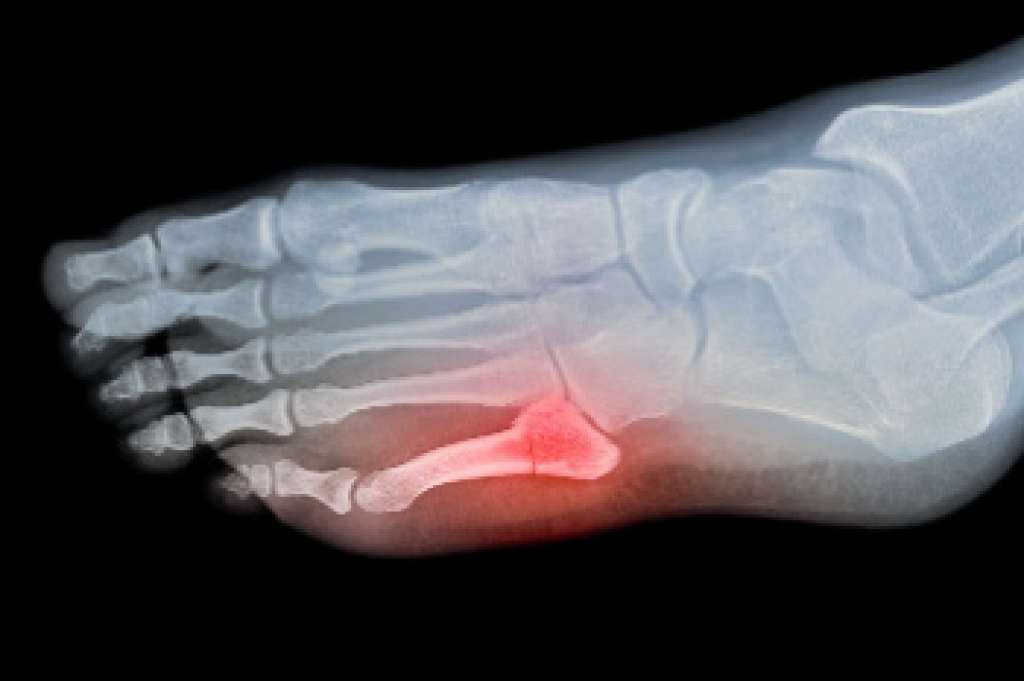
A foot stress fracture is a small crack in a bone that develops gradually due to repetitive force rather than a single injury. It commonly affects runners, athletes, and individuals who spend long hours on their feet. These fractures often occur in the metatarsal bones and are linked to repeated impact without enough recovery time. Causes include sudden increases in running intensity, changes in surface such as moving from soft ground to pavement, and wearing improper footwear. This condition may begin subtly, but can worsen if ignored.

Symptoms of a foot stress fracture usually start with mild pain that increases during activity. Over time, the pain may become constant and more localized. Swelling and tenderness are common, and the affected area may feel extremely sensitive to touch. Some individuals notice discomfort even during normal walking or standing. Unlike a soft tissue injury, the pain often persists despite rest, which can signal a more serious underlying issue.


Risk factors include age-related bone loss, which can reduce bone strength and increase vulnerability to fractures. Nutritional deficiencies, especially low calcium or vitamin D intake, may also weaken bones. Additional risk factors include overtraining, poor biomechanics, and a history of previous fractures. Wearing worn out or unsupportive shoes can further increase stress on the foot and contribute to injury.


Early recognition and proper care are essential for healing. Treatment often involves rest, activity modification, and wearing supportive footwear. In some cases, immobilization may be necessary to allow the bone to recover. Ignoring symptoms can lead to more severe injury and longer recovery time. If you have a foot stress fracture or suspect one due to consistent pain and swelling, it is suggested that you consult a podiatrist for effective relief and treatment solutions.

Stress fractures occur when there is a tiny crack within a bone. To learn more, contact one of our podiatrists from Summerlin Foot & Ankle. Our doctors can provide the care you need to keep you pain free and on your feet.

How Are They Caused?

Stress fractures are the result of repetitive force being placed on the bone. Since the lower leg and feet often carry most of the body’s weight, stress fractures are likely to occur in these areas. If you rush into a new exercise, you are more likely to develop a stress fracture since you are starting too much, too soon.  Pain resulting from stress fractures may go unnoticed at first, however it may start to worsen over time.

Risk Factors

  • Gender – They are more commonly found in women compared to men.
  • Foot Problems – People with unusual arches in their feet are more likely to develop stress fractures.
  • Certain Sports – Dancers, gymnasts, tennis players, runners, and basketball players are more likely to develop stress fractures.
  • Lack of Nutrients – A lack of vitamin D and calcium may weaken the bones and make you more prone to stress fractures
  • Weak Bones – Osteoporosis can weaken the bones therefore resulting in stress fractures

Stress fractures do not always heal properly, so it is important that you seek help from a podiatrist if you suspect you may have one. Ignoring your stress fracture may cause it to worsen, and you may develop chronic pain as well as additional fractures.

If you have any questions please contact our office located in Las Vegas, NV . We offer the newest diagnostic and treatment technologies for all your foot and ankle needs.

Read more about Stress Fractures of the Foot and Ankle

What Causes Poor Foot Circulation

Poor foot circulation occurs when blood flow to the feet is reduced, limiting the delivery of oxygen and essential nutrients to surrounding tissues. This condition is commonly linked to peripheral vascular disease, a disorder that affects the blood vessels and restricts normal circulation. When blood flow is impaired, the feet may not function optimally and become more susceptible to injury, infection, and delayed healing. Recognizing early warning signs is crucial for maintaining long-term foot health and preventing serious complications.

Common symptoms of poor circulation include persistent coldness in the feet, numbness, and a tingling or “pins and needles” sensation. Some individuals may also experience intermittent pain or cramping, particularly during walking or physical activity. Reduced oxygen supply to the muscles can lead to fatigue, making movement more difficult over time. In addition, the skin on the feet may appear pale, bluish, or discolored, and even minor wounds may take longer than usual to heal. Without proper attention, these symptoms can gradually worsen and impact daily activities.

Several causes and risk factors contribute to poor foot circulation. Peripheral vascular disease is a leading cause and is often associated with narrowed or blocked arteries. Diabetes can further complicate circulation by damaging both blood vessels and nerves. Infections may also impair blood flow due to inflammation in affected tissues. Other contributing factors include smoking, high blood pressure, high cholesterol, and a sedentary lifestyle. Identifying and addressing these risks is essential for effective prevention and management.

Maintaining healthy circulation is vital for mobility, comfort, and overall foot function. Early intervention, combined with lifestyle changes and proper medical care, can significantly improve blood flow and tissue health. If you have symptoms of poor foot circulation, it is suggested that you consult a podiatrist to explore effective relief and management solutions.

Poor circulation is a serious condition and needs immediate medical attention. If you have any concerns with poor circulation in your feet contact one of our podiatrists of Summerlin Foot & Ankle. Our doctors will treat your foot and ankle needs.

Poor Circulation in the Feet

Poor blood circulation in the feet and legs is can be caused by peripheral artery disease (PAD), which is the result of a buildup of plaque in the arteries.

Plaque buildup or atherosclerosis results from excess calcium and cholesterol in the bloodstream. This can restrict the amount of blood which can flow through the arteries. Poor blood circulation in the feet and legs are sometimes caused by inflammation in the blood vessels, known as vasculitis.

Causes

Lack of oxygen and oxygen from poor blood circulation restricts muscle growth and development. It can also cause:

  • Muscle pain, stiffness, or weakness 
  • Numbness or cramping in the legs
  • Skin discoloration
  • Slower nail & hair growth
  • Erectile dysfunction

Those who have diabetes or smoke are at greatest risk for poor circulation, as are those who are over 50. If you have poor circulation in the feet and legs it may be caused by PAD and is important to make changes to your lifestyle in order to reduce risk of getting a heart attack or stroke. Exercise and maintaining a healthy lifestyle will dramatically improve conditions.

As always, see a podiatrist as he or she will assist in finding a regimen that suits you. A podiatrist can also prescribe you any needed medication. 

If you have any questions, please feel free to contact our office located in Las Vegas, NV . We offer the newest diagnostic and treatment technologies for all your foot care needs.

Read more about Causes, Symptoms, and Treatment of Poor Blood Circulation in the Feet

Heel Pain May Indicate Sever’s Disease

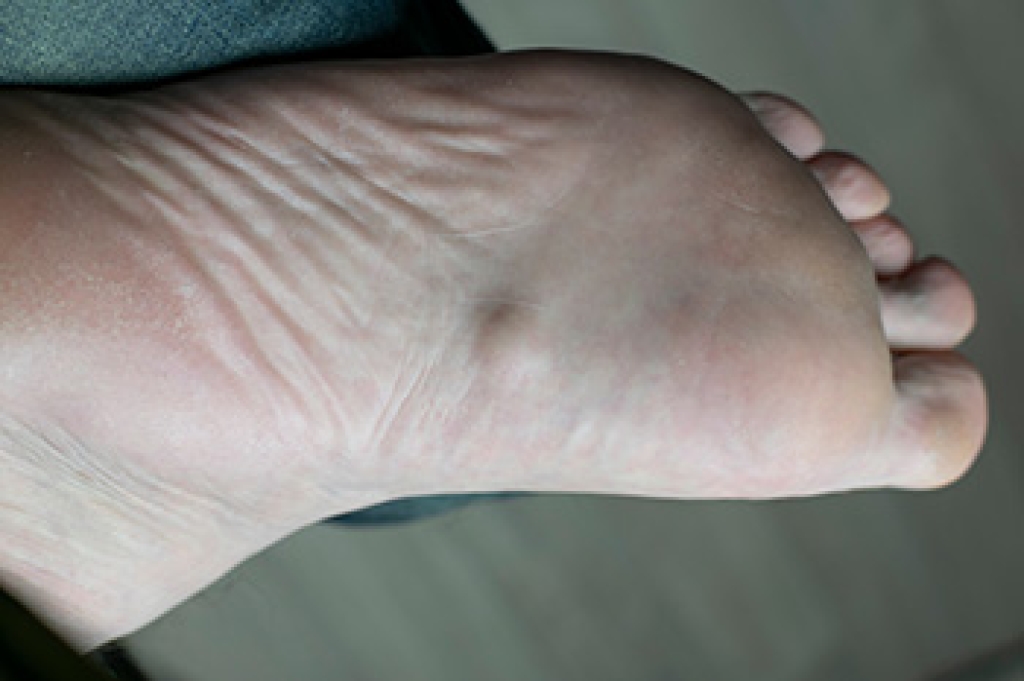
Sever’s disease is a painful heel condition that affects growing children, especially those who participate in running or jumping sports. It is not a disease in the usual sense but an irritation of the heel’s growth plate, which is the area where new bone is still forming. This growth plate sits at the back of the heel bone, near where the Achilles tendon attaches. When a child runs, jumps, or lands hard, repeated pulling and pressure can irritate this area. Soccer, basketball, gymnastics, and football can place extra stress on the heel.

Heel pain from Sever’s disease usually develops slowly. A child may describe the pain as feeling like a bruise at the back or bottom of the heel. The pain is usually worse with sports, running in cleats, or wearing shoes that lack adequate support. Swelling and bruising are not always seen. Some children limp, walk on their toes, or stop wanting to play. Tight calf muscles, flat feet, and high-arched feet can increase stress on the heel. A podiatrist can examine the heel, check the foot structure, and look at how the child walks.

Diagnosis does not rely on symptoms alone. A podiatrist can tell whether the pain is from Sever’s disease or another problem. X-rays can be ordered to check bone growth and rule out other causes of heel pain. A stress fracture, tendon irritation, or a bone cyst may produce similar symptoms. Treatment of Sever’s disease includes shoe changes, heel lifts, custom orthotics, and activity guidance based on the child’s exam. A podiatrist can also address tight calf muscles and foot mechanics that add strain to the heel. If your active child complains of heel pain, it is suggested that you schedule an appointment with a podiatrist for a diagnosis and effective relief tips.

Sever's disease often occurs in children and teens. If your child is experiencing foot or ankle pain, see one of our podiatrists from Summerlin Foot & Ankle. Our doctors can treat your child’s foot and ankle needs.

Sever’s Disease

Sever’s disease is also known as calcaneal apophysitis, which is a medical condition that causes heel pain I none or both feet. The disease is known to affect children between the ages of 8 and 14.

Sever’s disease occurs when part of the child’s heel known as the growth plate (calcaneal epiphysis) is attached to the Achilles tendon. This area can suffer injury when the muscles and tendons of the growing foot do not keep pace with bone growth. Therefore, the constant pain which one experiences at the back of the heel will make the child unable to put any weight on the heel. The child is then forced to walk on their toes.

Symptoms

Acute pain – Pain associated with Sever’s disease is usually felt in the heel when the child engages in physical activity such as walking, jumping and or running.

Highly active – Children who are very active are among the most susceptible in experiencing Sever’s disease, because of the stress and tension placed on their feet.

If you have any questions, please feel free to contact our office located in Las Vegas, NV . We offer the newest diagnostic and treatment technologies for all your foot care needs.
Read more about Sever's Disease
scroll to top