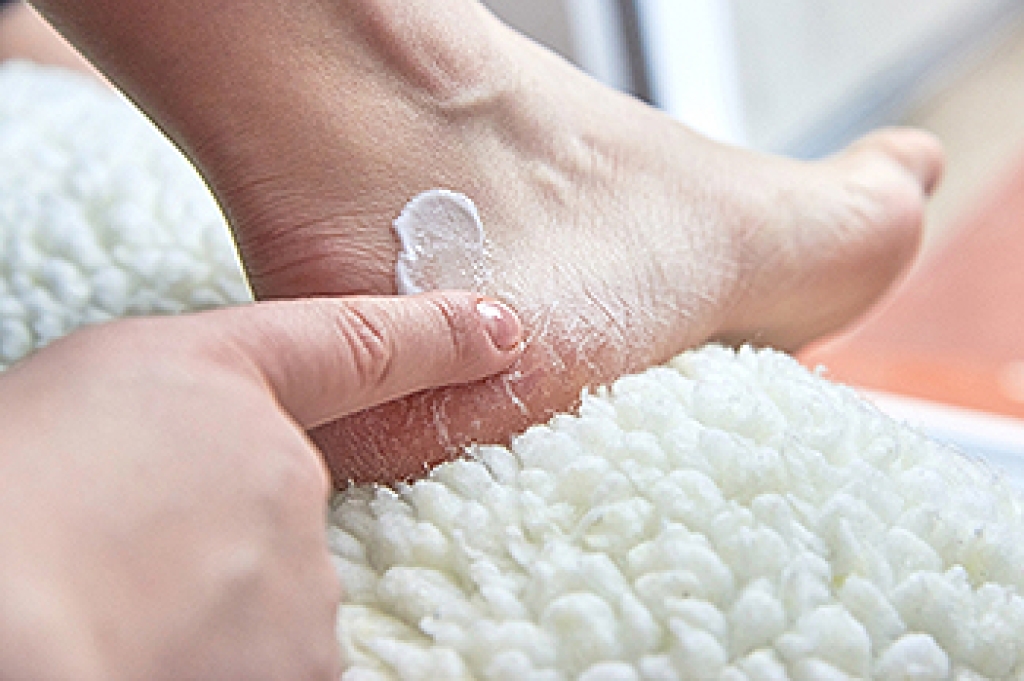
Cracked heels develop when the skin around the heel becomes dry, thick, and less flexible. As pressure increases during standing or walking, the skin can split and form painful openings. Symptoms include dryness, rough skin, or bleeding. Causes include dry weather, prolonged standing, and inadequate moisture. Simple preventive habits can help keep heel skin stronger and more resilient daily.
Diabetes can significantly increase the risk of cracked heels because elevated blood sugar may affect circulation, nerve function, and the body’s ability to repair damaged skin. Nerve changes can reduce sensation, making it harder to notice dryness or small cracks. Reduced circulation can limit oxygen and nutrients needed for healing. Diabetes may also increase infection risk. Cracked skin can become deeper and potentially develop into a more serious wound when left untreated.
Risk factors for cracked heels include dry skin, aging, and wearing unsupportive footwear. Cold or dry weather may remove moisture from the skin and make cracking worse. A podiatrist can examine the heels, assess skin condition, and look for signs of infection. Treatment may include safely reducing thickened skin, recommending moisturizing products, and addressing pressure from footwear.
Preventing cracked heels starts with consistent foot care. Use recommended moisturizers regularly, wear supportive shoes, and avoid walking barefoot. Check your feet each day for redness, cracks, or other changes. If a crack becomes painful, swollen, or slow to heal, prompt professional evaluation is important, especially with diabetes. A podiatrist can create an appropriate care plan and monitor healing to reduce complications. If you have diabetes and have developed cracked heels, it is suggested that you are under the care of a podiatrist for effective relief tips, and guidance on diabetic foot care.
If the skin on your feet starts to crack, you may want to see a podiatrist to find treatment. If you have any concerns, contact one of our podiatrists from Summerlin Foot & Ankle. Our doctors can provide the care you need to keep you pain-free and on your feet.
Cracked Heels
It is important to moisturize your cracked heels in order to prevent pain, bleeding, and infection. The reason cracked heels form is because the skin on the foot is too dry to support the immense pressure placed on them. When the foot expands, the dry skin on the foot begins to split.
Ways to Help Heal Them
- Invest in a good foot cream
- Try Using Petroleum Jelly
- Ease up on Soaps
- Drink Plenty of Water
Ways to Prevent Cracked Heels
- Moisturize After Showering
- Skip a Shower
- Keep Shower Water Lukewarm
- Don’t Scrub Your Feet
If you are unsure how to proceed in treating cracked heels, seek guidance from a podiatrist. Your doctor will help you with any questions or information you may need.
If you have any questions, please feel free to contact our office located in Las Vegas, NV . We offer the newest diagnostic and treatment technologies for all your foot care needs.
