
Falls related to balance problems can happen when the body loses its ability to stay steady during movement or while standing still. This condition may appear as unsteadiness, dizziness, or a feeling that the ground is shifting underfoot. Causes often include vision problems that affect depth perception, inner ear issues that disrupt equilibrium, and nerve damage such as neuropathy that reduces sensation in the feet. When the feet cannot properly feel the ground, it becomes harder to react quickly and maintain stability. A podiatrist plays an important role by evaluating foot structure, nerve function, and gait patterns. They can identify underlying concerns, recommend supportive devices, and coordinate care to reduce the risk of further injury. If you have injured your foot or ankle from falling, it is suggested that you consult a podiatrist who can offer effective relief, treatment, and prevention techniques.
Preventing falls among the elderly is very important. If you are older and have fallen or fear that you are prone to falling, consult with one of our podiatrists from Summerlin Foot & Ankle. Our doctors will assess your condition and provide you with quality advice and care.
Every 11 seconds, an elderly American is being treated in an emergency room for a fall related injury. Falls are the leading cause of head and hip injuries for those 65 and older. Due to decreases in strength, balance, senses, and lack of awareness, elderly persons are very susceptible to falling. Thankfully, there are a number of things older persons can do to prevent falls.
How to Prevent Falls
Some effective methods that older persons can do to prevent falls include:
- Enrolling in strength and balance exercise program to increase balance and strength
- Periodically having your sight and hearing checked
- Discuss any medications you have with a doctor to see if it increases the risk of falling
- Clearing the house of falling hazards and installing devices like grab bars and railings
- Utilizing a walker or cane
- Wearing shoes that provide good support and cushioning
- Talking to family members about falling and increasing awareness
Falling can be a traumatic and embarrassing experience for elderly persons; this can make them less willing to leave the house, and less willing to talk to someone about their fears of falling. Doing such things, however, will increase the likelihood of tripping or losing one’s balance. Knowing the causes of falling and how to prevent them is the best way to mitigate the risk of serious injury.
If you have any questions, please feel free to contact our office located in Las Vegas, NV . We offer the newest diagnostic and treatment technologies for all your foot care needs.
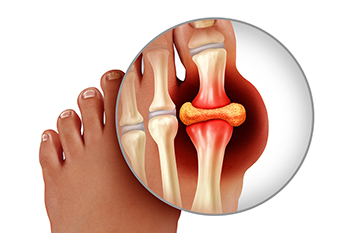
Gout is one of the oldest known forms of arthritis and develops when uric acid builds up in the body, forming sharp crystals in the joints. It often affects the big toe and can appear suddenly with intense pain, redness, warmth, and swelling. Attacks may come on overnight and make even light pressure feel unbearable. Several risk factors can increase the chance of gout, including a family history of the condition, frequent alcohol consumption, and diets high in red meat or sugary drinks. Obesity and certain medical conditions can also play a role. A podiatrist can identify gout, manage painful flare-ups, and work with patients to reduce joint damage and improve mobility. If you have intense pain in your big toe, it is suggested that you consult a podiatrist who can offer you a diagnosis and appropriate treatment.
Gout is a foot condition that requires certain treatment and care. If you are seeking treatment, contact one of our podiatrists from Summerlin Foot & Ankle. Our doctors will treat your foot and ankle needs.
What Is Gout?
Gout is a type of arthritis caused by a buildup of uric acid in the bloodstream. It often develops in the foot, especially the big toe area, although it can manifest in other parts of the body as well. Gout can make walking and standing very painful and is especially common in diabetics and the obese.
People typically get gout because of a poor diet. Genetic predisposition is also a factor. The children of parents who have had gout frequently have a chance of developing it themselves.
Gout can easily be identified by redness and inflammation of the big toe and the surrounding areas of the foot. Other symptoms include extreme fatigue, joint pain, and running high fevers. Sometimes corticosteroid drugs can be prescribed to treat gout, but the best way to combat this disease is to get more exercise and eat a better diet.
If you have any questions, please feel free to contact our office located in Las Vegas, NV . We offer the newest diagnostic and treatment technologies for all your foot care needs.
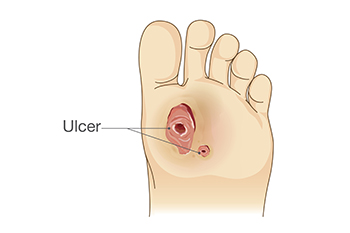
A diabetic foot ulcer is an open sore that develops on the foot due to poor circulation. It can be missed because of reduced sensation associated with diabetes. These ulcers often form from pressure, minor injuries, or irritation that goes unnoticed. Risk factors include high blood sugar levels, nerve damage, poor footwear, and limited blood flow. Antibiotics are not typically used for uninfected ulcers, as they are intended to treat bacterial infections rather than promote healing. Proper wound care, pressure relief, and monitoring are essential for recovery. A podiatrist can assess the ulcer, provide specialized treatment, and help prevent complications. Early care can protect foot health and reduce risks. If you have diabetes and have developed a foot wound or ulcer, it is strongly suggested that you are under the care of a podiatrist who can offer effective relief and management solutions.
Wound care is an important part in dealing with diabetes. If you have diabetes and a foot wound or would like more information about wound care for diabetics, consult with one of our podiatrists from Summerlin Foot & Ankle. Our doctors will assess your condition and provide you with quality foot and ankle treatment.
What Is Wound Care?
Wound care is the practice of taking proper care of a wound. This can range from the smallest to the largest of wounds. While everyone can benefit from proper wound care, it is much more important for diabetics. Diabetics often suffer from poor blood circulation which causes wounds to heal much slower than they would in a non-diabetic.
What Is the Importance of Wound Care?
While it may not seem apparent with small ulcers on the foot, for diabetics, any size ulcer can become infected. Diabetics often also suffer from neuropathy, or nerve loss. This means they might not even feel when they have an ulcer on their foot. If the wound becomes severely infected, amputation may be necessary. Therefore, it is of the upmost importance to properly care for any and all foot wounds.
How to Care for Wounds
The best way to care for foot wounds is to prevent them. For diabetics, this means daily inspections of the feet for any signs of abnormalities or ulcers. It is also recommended to see a podiatrist several times a year for a foot inspection. If you do have an ulcer, run the wound under water to clear dirt from the wound; then apply antibiotic ointment to the wound and cover with a bandage. Bandages should be changed daily and keeping pressure off the wound is smart. It is advised to see a podiatrist, who can keep an eye on it.
If you have any questions please contact our office located in Las Vegas, NV . We offer the newest diagnostic and treatment technologies for all your foot and ankle needs.

Have your child's feet been examined lately? Healthy feet are happy feet. If your child is complaining of foot pain, it may be a sign of underlying problems.
